The Grant Agency of the University of South Bohemia has awarded a two-year research grant to our PhD student Jakub Pawlik — and it’s taking our lab to more mountains. Huge congratulations to him.
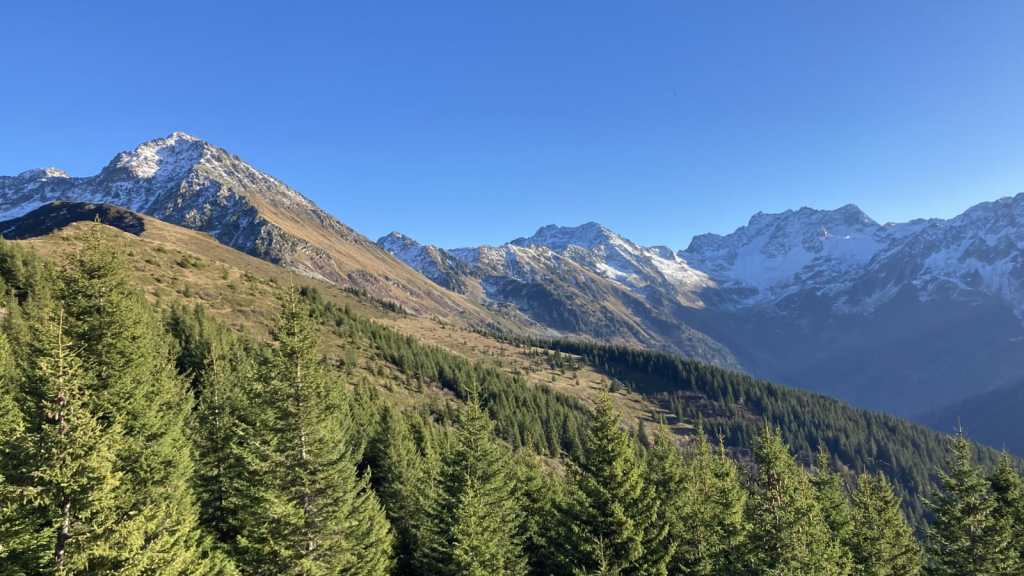
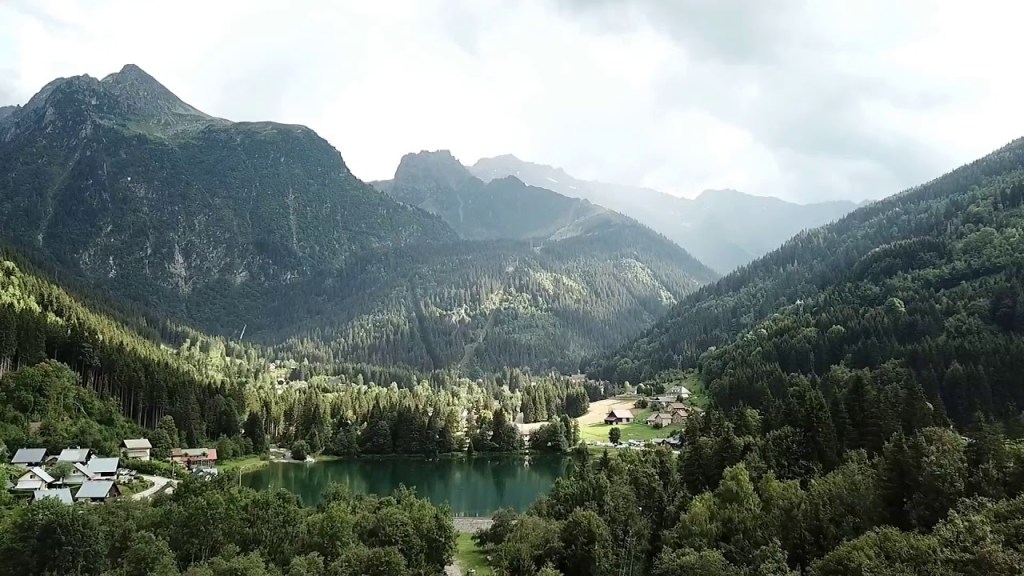
Jakub’s project, How elevation structures temperate spider communities — and may warming reshape them?, will unfold in the spectacular Belledonne mountain range in southeastern France. Across alpine meadows, forested slopes, and rocky ridges, he will trace how spider communities change with elevation — and ask how rising temperatures might reorganize these assemblages.
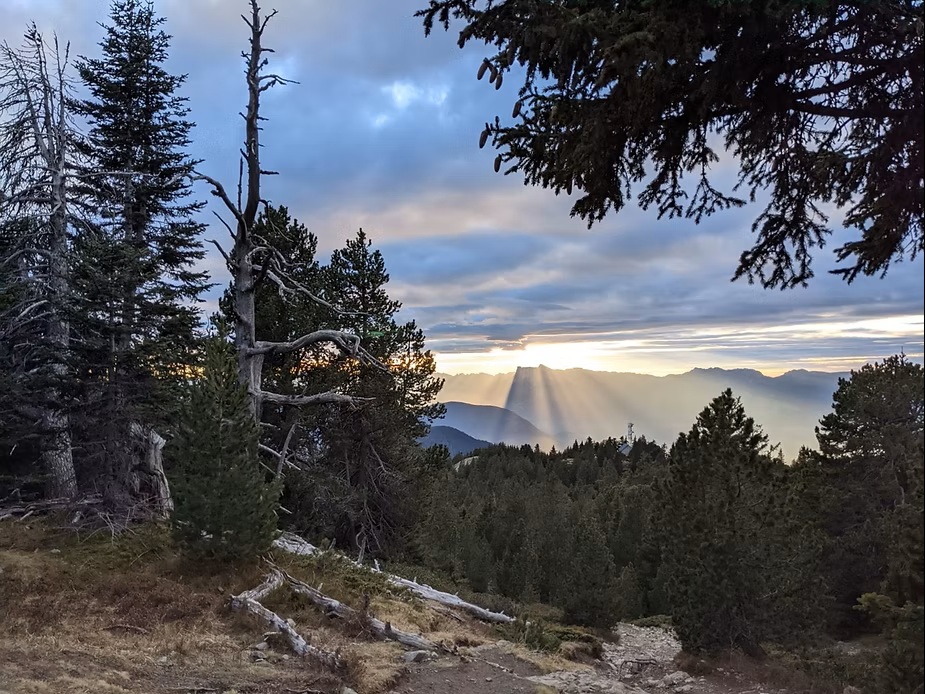
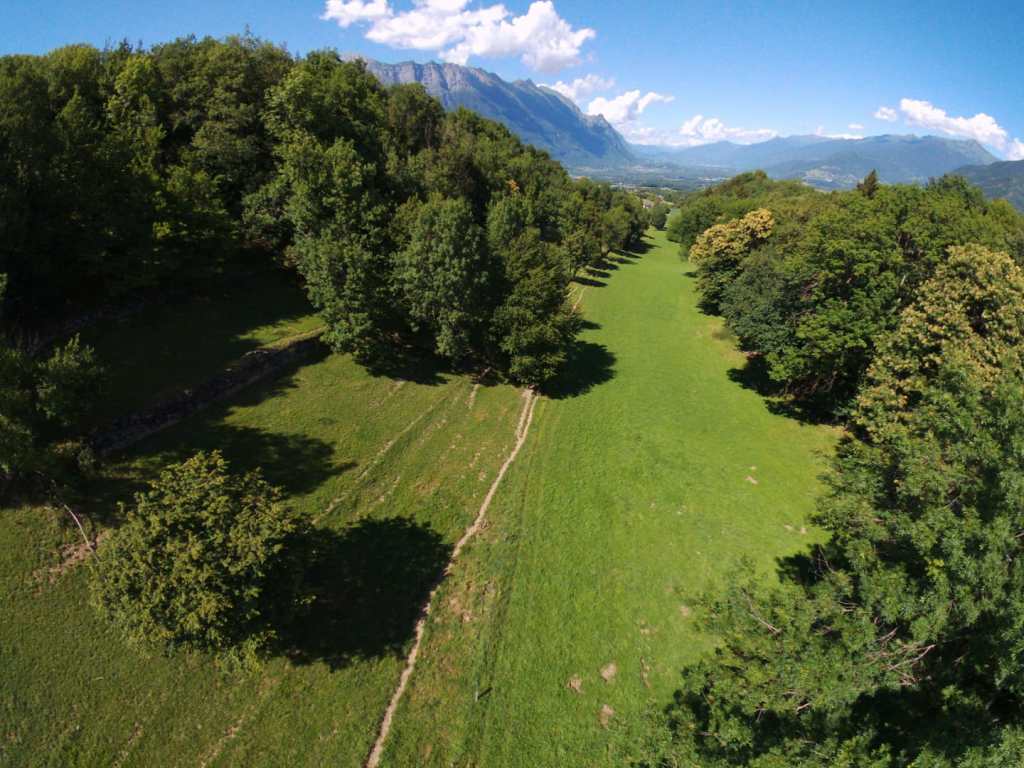
The project began taking shape last year, when Jakub established the elevational gradient and built an international collaboration with Prof. Kaïna Privet, Assistant Professor at the Muséum national d’Histoire naturelle in Paris, where she curates the arachnid collection. Together, they will combine rigorous field ecology with museum expertise to explore both community composition and the thermal tolerance of the most common species — linking who lives where with how much heat they can endure.
For our lab, this project feels like both continuity and expansion. Jakub is currently finalizing a manuscript on spiders along an elevational gradient in Papua New Guinea, bringing valuable comparative insight from the tropics. And we build on earlier experimental work on invertebrate thermal biology by our former PhD student Benita Laird Hopkins, who studied butterflies and helped establish our lab’s approach to thermal performance research.
Jakub will not be alone in the field. He will be joined by František Xaver Puklrábek, who will assist with spider sampling — and, no doubt, keep a sharp lookout for ants along the way. Their fieldwork will combine vegetation sweeping, pitfall trapping, branch beating, and careful hand collecting, assembling a comprehensive picture of spider diversity along the mountain slope. After that, they will conduct very specific heating experiments.
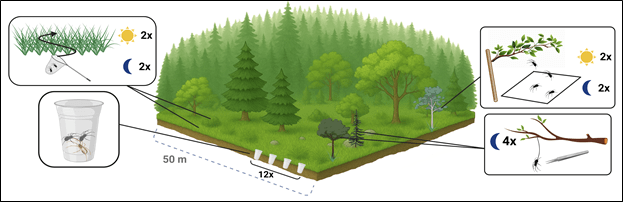
From alpine summits to warming valleys, this project will explore how climate and elevation interact to shape life at the edge — and how those patterns may shift in a changing world.
I am immensely proud of both of my PhD students. Securing competitive funding from the Grant Agency of the University of South Bohemia — Jakub this year and Kryštof in 2025 — is a testament to the originality, scientific rigor, and importance of their work. Seeing them independently design ambitious, well-founded projects in some of Europe’s most beautiful mountain landscapes is, truly, one of the most rewarding parts of being a supervisor. As a supervisor, I may soon face a pleasant dilemma: whether to spend summer time in the French mountains or in the Austrian Alps.
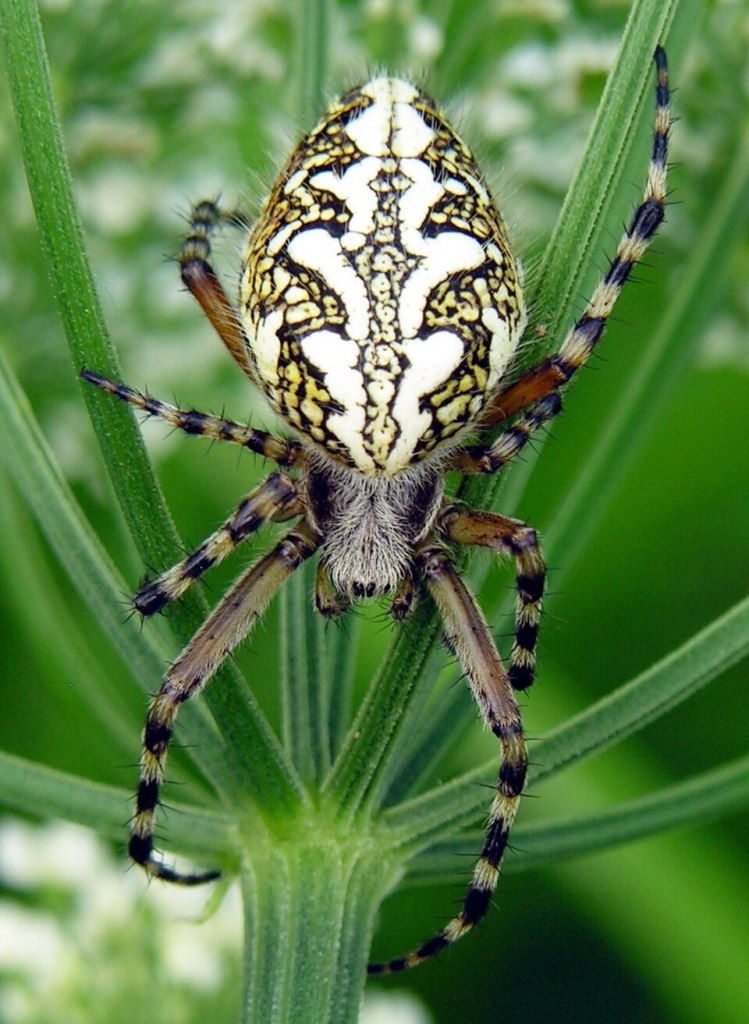
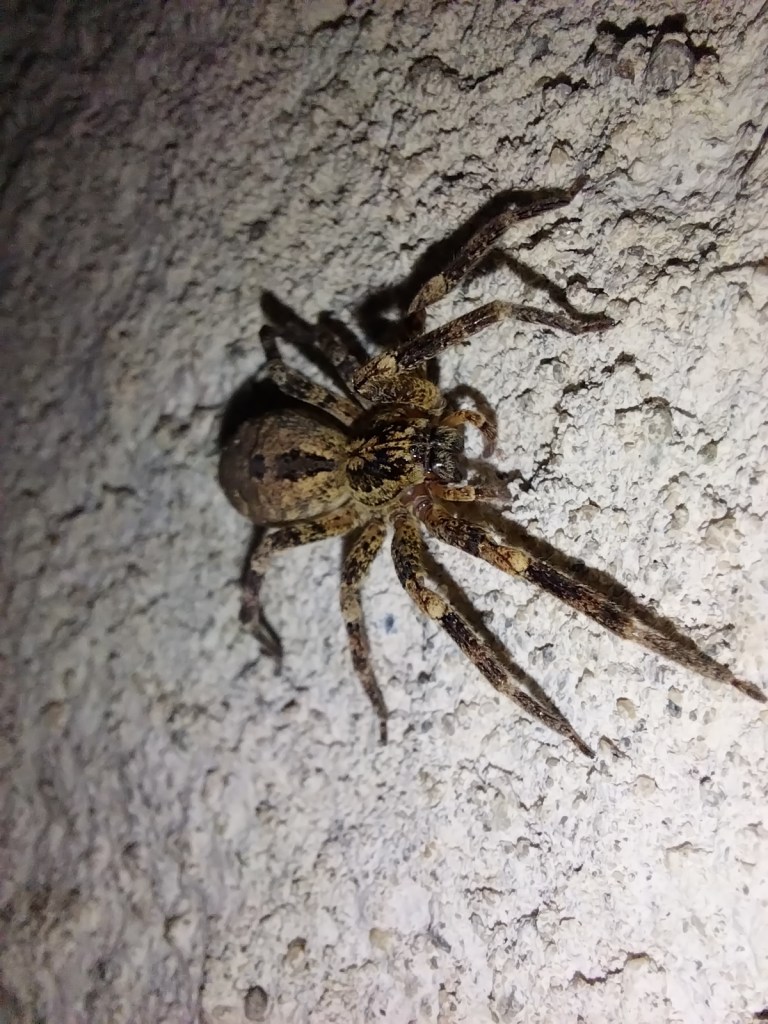
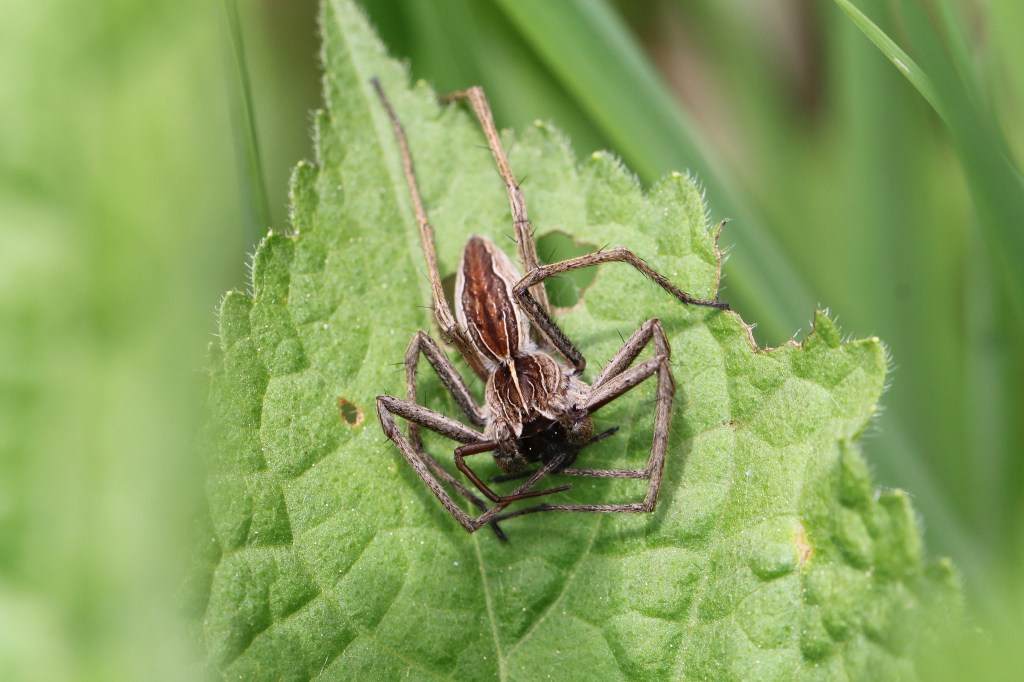
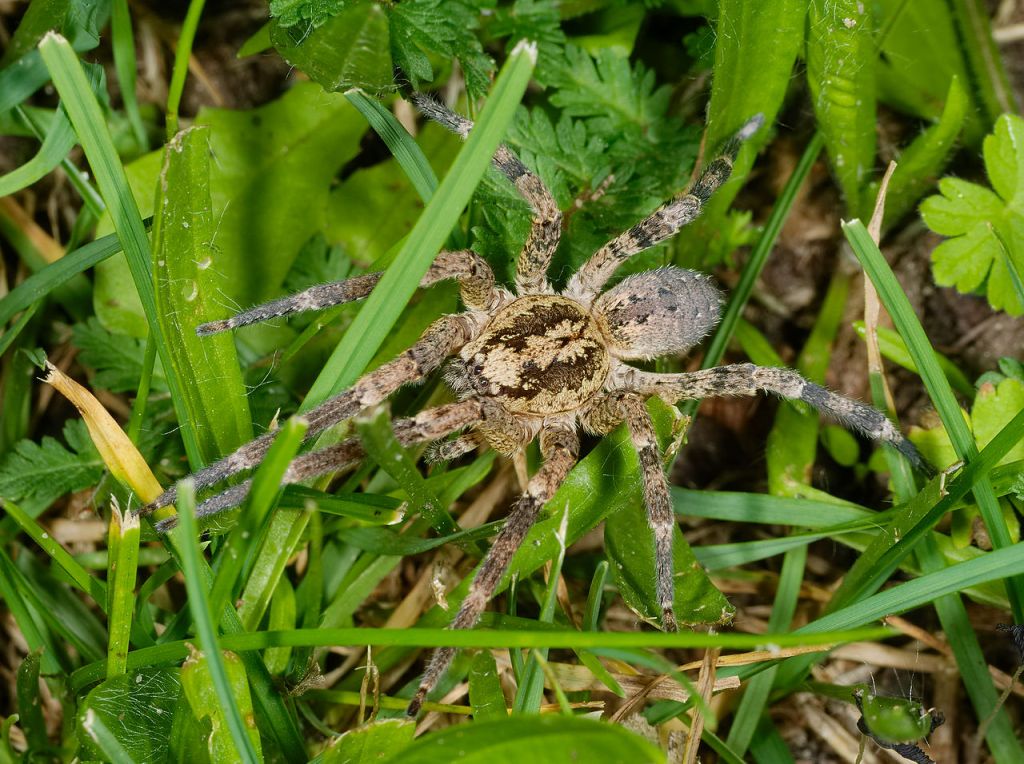
Source of the photos: iNaturalist
 multitrophicinteractions.blog