I just realized it must have been a busy year, during which we accomplished a lot, but did not have a time to write on web pages 🙂
The things which kept us busy was that Katerina Sam become a head of the Department of Ecology, and then our laboratory organized GTOE2023 conference. Despite that, our team published 12 papers in 2023 (so far). Some of the highlights are pointed out here:
- this paper gained an attention of media, and was covered by our colleagues in English, as well as in Czech media Science Zoom
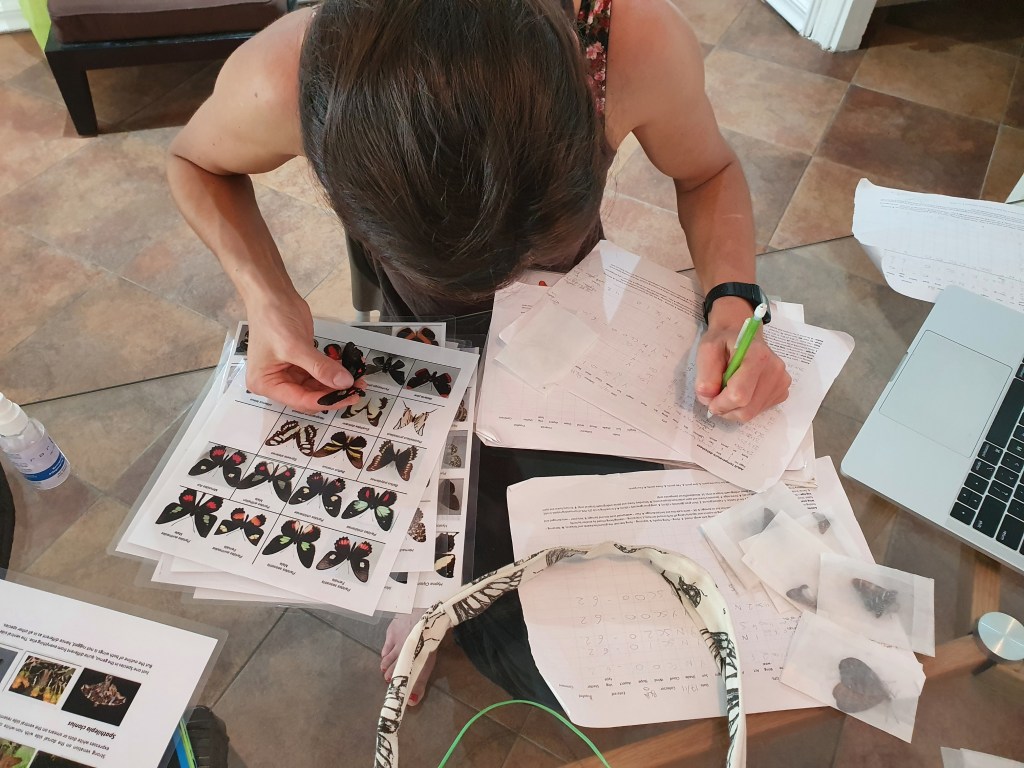
- This paper still awaits is media coverage by Oxford University
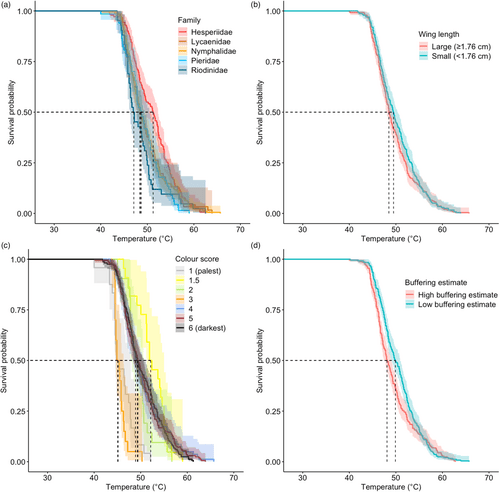

FIGURE 3
Nest environment has a stronger effect than antibiotic/probiotic treatment on the gut microbiomes of developing chicks. Microbial communities of manipulated chicks of Great (a, b) and Blue (c, d) tits. Individuals in a and c are coloured according to treatment, while individuals in b and d are coloured according to nest. Shapes indicate day of sampling across all four plots.
- This paper will be also featured by Science ZOOM. So far, the raw text of press release in Czech can be downloaded here:
 multitrophicinteractions.blog